

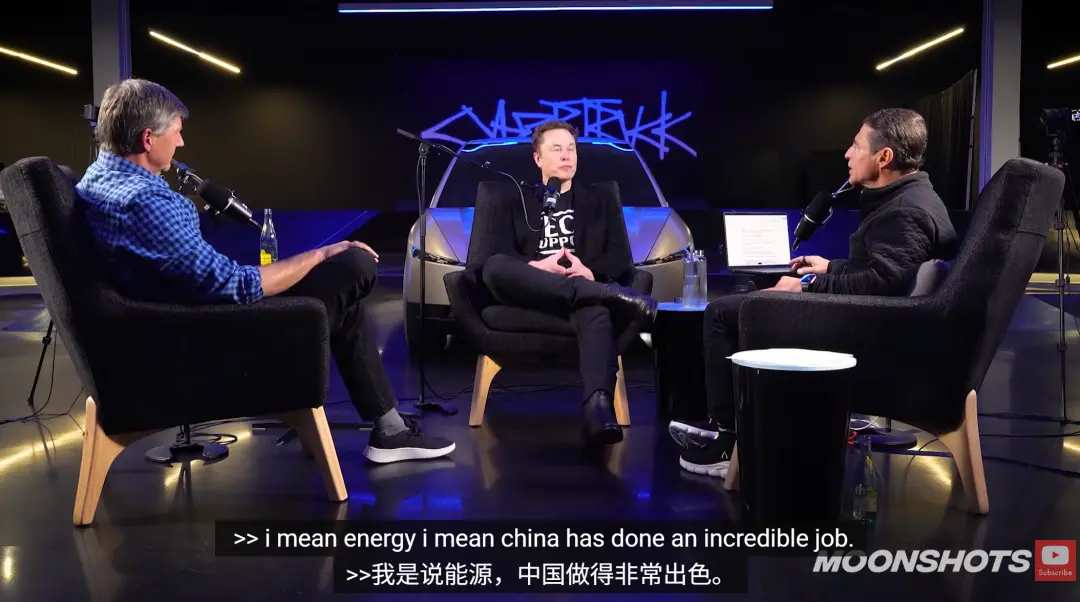
In a recent episode of the Moonshots podcast hosted by Peter Diamandis, Elon Musk shared his visionary insights about the future of technology, particularly artificial intelligence (AI) and robotics. He boldly stated, "We are in a Singularity," referring to a transformative moment in history fueled by exponential advancements in technology. Musk likened this acceleration to a "Supersonic Tsunami," highlighting the dramatic changes on the horizon that will reshape asset allocation strategies for investors.
As we delve into the key takeaways from this impactful conversation, we’ll explore how these developments impact wealth management, shifting economic paradigms, and strategic investment approaches.
Key Predictions and Timelines from Musk
1. The Explosion of AGI and Computational Power
Musk forecasts the arrival of Artificial General Intelligence (AGI) by 2026, predicting it will surpass the total intelligence of all humans combined by 2030. He emphasizes a crucial point: the potential of AI is largely underestimated. Current hardware could see its intelligence density enhance by 100 times through algorithmic optimizations.
2. The Restructuring of the Labor Market
Musk expects the development of human-like robots to occur at an exponential pace. Within three years, he envisions the Optimus robot achieving mass production capabilities, outpacing human experts, such as surgeons, in about five years. The prevalent white-collar jobs that do not involve "manipulating atoms" are likely to face automation, while blue-collar jobs will also transition to robots. This transformative process, described as a "Bumpy road," may cause societal upheaval in the next three to seven years but will ultimately lead to significant prosperity.
3. Energy: The Foundation of Progress
Musk identifies energy supply and cooling technology as current bottlenecks in AI’s progression. He argues for a shift toward solar energy as the ultimate solution, advocating the use of solar power and energy storage solutions like the Tesla Megapack. Moreover, Musk highlights China's advancements in clean energy and computational infrastructure, which pose a significant geopolitical challenge.
4. The Space Economy and Orbital Data Centers
With the maturity of fully reusable rocket technology, Musk states that launch costs could drop to approximately $1 million per launch. He proposes a groundbreaking concept—utilizing solar energy in space for AI satellite power—opening up new avenues for infrastructure investments.
The Shift from UBI to UHI
Musk introduces a more ambitious initiative than Universal Basic Income (UBI): Universal High Income (UHI). This concept goes beyond mere money redistribution, promoting extreme abundance of goods and services. He anticipates that AI and robotics will drastically reduce labor costs, resulting in a deflationary economy where prices of goods and services plummet. This could lead to improved living standards, surpassing those of today’s billionaires.
Strategic Insights for Investors
Facing this "Supersonic Tsunami," investors need to shift their strategies from a defensive mindset to an offensive one.
1. Transitioning Investment Focus
The past decade saw capital flowing into Software as a Service (SaaS) and internet models. The next ten years will bring value back to a blend of physical and digital worlds. Key investment areas include:
- Energy Infrastructure: Focus on modernizing the power grid, large-scale energy storage, and solar power assets.
- Deep Tech: Invest in human-like robotics supply chains, new materials, and the aerospace industry.
- Space Assets: Monitor emerging investment opportunities in "Orbital Data Centers."
2. Preserving Wealth in a Deflationary Era
Contrary to conventional wisdom that suggests hedging against inflation, Musk’s vision describes a deflationary world driven by technological advances. Future investments should focus on assets with scarcity (e.g., specific real estate, premium intellectual property, or unique experiences) or those capable of generating energy/computational power.
3. Human Capital and Educational Reform
Musk suggests that traditional university education is losing its value. Educational approaches should nurture curiosity, adaptability, and collaboration with AI rather than mere degrees. As we transition to a post-labor economy, families will need to find new meaning and purpose.
4. Health and Longevity Technologies
While Musk is skeptical about immortality, he acknowledges that the convergence of biotechnology and AI can significantly extend human lifespans. Investment in companies focused on drug development, gene editing, and preventive healthcare will be pivotal in the healthcare sector.
Selling Hope, Investing in the Future
In conclusion, Musk emphasizes the importance of "Monetizing Hope" for investors. We are on the cusp of a monumental wealth transfer, not to mere capital holders, but to those who can harness computational power, understand energy dynamics, and courageously navigate the upcoming transitions.
Now is the time to reassess investment portfolios, increasing exposure to energy and AI infrastructure, and prepare for the arrival of AGI in 2026.
